Contact
 Locations



 Agricultural Banking
 Cannabis Banking
 Healthcare Banking
 Hispanic Banking
 Non-Profit Banking
 Tech Banking
 Apply For a Mortgage
 Find the Nearest Branch
 Open an Account

ATM Safety: What Every Cardholder Should Know
As we head into the new year, scammers are not far behind—bringing fresh tactics designed to deceive and defraud consumers. Recently, new information has emerged showing how fraudsters are increasingly exploiting debit card usage at ATMs. Below is an overview of what we’re currently seeing and how you can protect yourself.
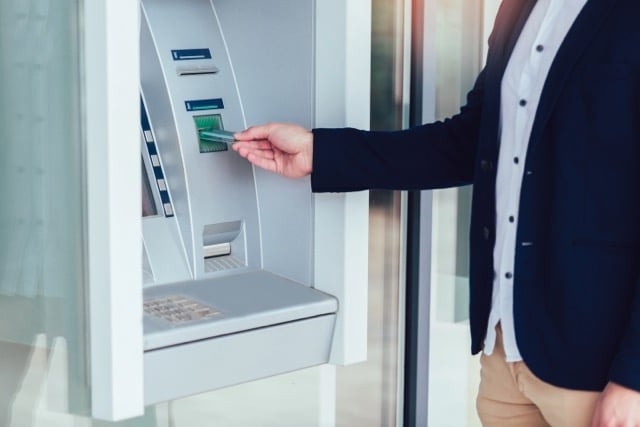
Tap-to-Pay ATM Fraud: A Growing Risk
More consumers are tapping their debit cards at ATMs instead of inserting them. While convenient, this method has introduced a new vulnerability.
Fraudsters often linger near ATMs, watching for customers who use tap-to-pay—especially for cash withdrawals. Although most people assume their transaction is complete once cash is dispensed, some ATMs experience delays in fully closing out tap transactions.
When this happens, the account session may remain active briefly after the customer walks away. Criminals exploit this delay by stepping up to the machine and conducting additional unauthorized withdrawals or transactions. Because the session is still open, these transactions may appear legitimate.
How to Protect Yourself
ATM Skimming & Shimming
ATM fraud is becoming more advanced—and more difficult to spot. Criminals use tiny devices called skimmers and shimmers to steal card information, often without any visible signs of tampering. Some devices even transmit data wirelessly using Bluetooth.
In 2025 alone, more than 280,000 debit cards were compromised by skimming. Fraudsters may also use pinhole cameras or keypad overlays to capture PINs.
How to Protect Yourself
Our goal is awareness, not fear. By following a few simple best practices, you can reduce your risk when using ATMs. If you notice anything suspicious or have questions about ATM fraud, contact our fraud team at [email protected].