Contact
 Locations



 Agricultural Banking
 Cannabis Banking
 Healthcare Banking
 Hispanic Banking
 Non-Profit Banking
 Tech Banking
 Apply For a Mortgage
 Find the Nearest Branch
 Open an Account

BEC Scams: What to Watch For
Picture this: your bookkeeper gets an email that looks like it’s from the owner, saying “I’m in meetings all day — please wire $18,000 to this new vendor ASAP, it’s urgent.” The email address looks close enough. The tone sounds right. So the wire goes out. By the time anyone realizes the owner never sent it, the money’s gone. That’s business email compromise (BEC), and it’s one of the most expensive types of fraud out there — scammers don’t need to hack your systems, just your inbox and a little trust.
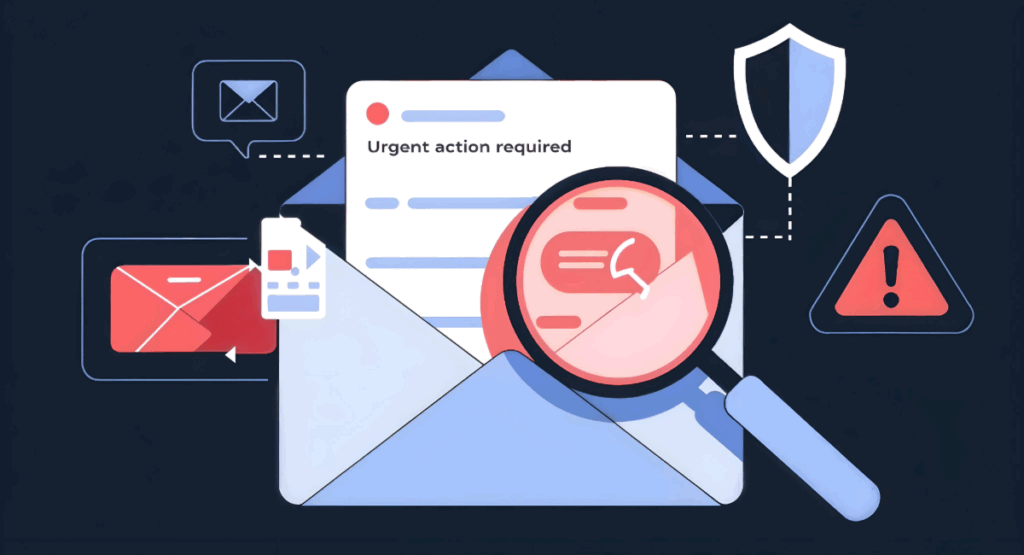
BEC scams usually show up as a spoofed or slightly altered email address, a sudden change to “new” vendor payment instructions, or pressure to move fast and keep it quiet. The fixes are refreshingly low-tech:
- Verify any payment or wire request by phone, using a number you already have on file — never one from the email itself.
- Get a second set of eyes on any new or changed banking instructions before money moves.
- Slow down when a message pushes urgency and secrecy together — that combo is the biggest tell.
Here’s the good news: you’re not the only line of defense. Regent Bank builds verification steps into our business wire and payment process, including confirming with account holders before certain wires or payment changes go out. It’s an extra checkpoint designed to catch exactly this kind of scam before funds leave the bank.
Regent Bank Tip: Talk to your Regent Bank business banker about setting up callback verification and dual-approval controls on your business accounts — simple safeguards that make BEC scams much harder to pull off.